
My Love Letter To Michael Clayton
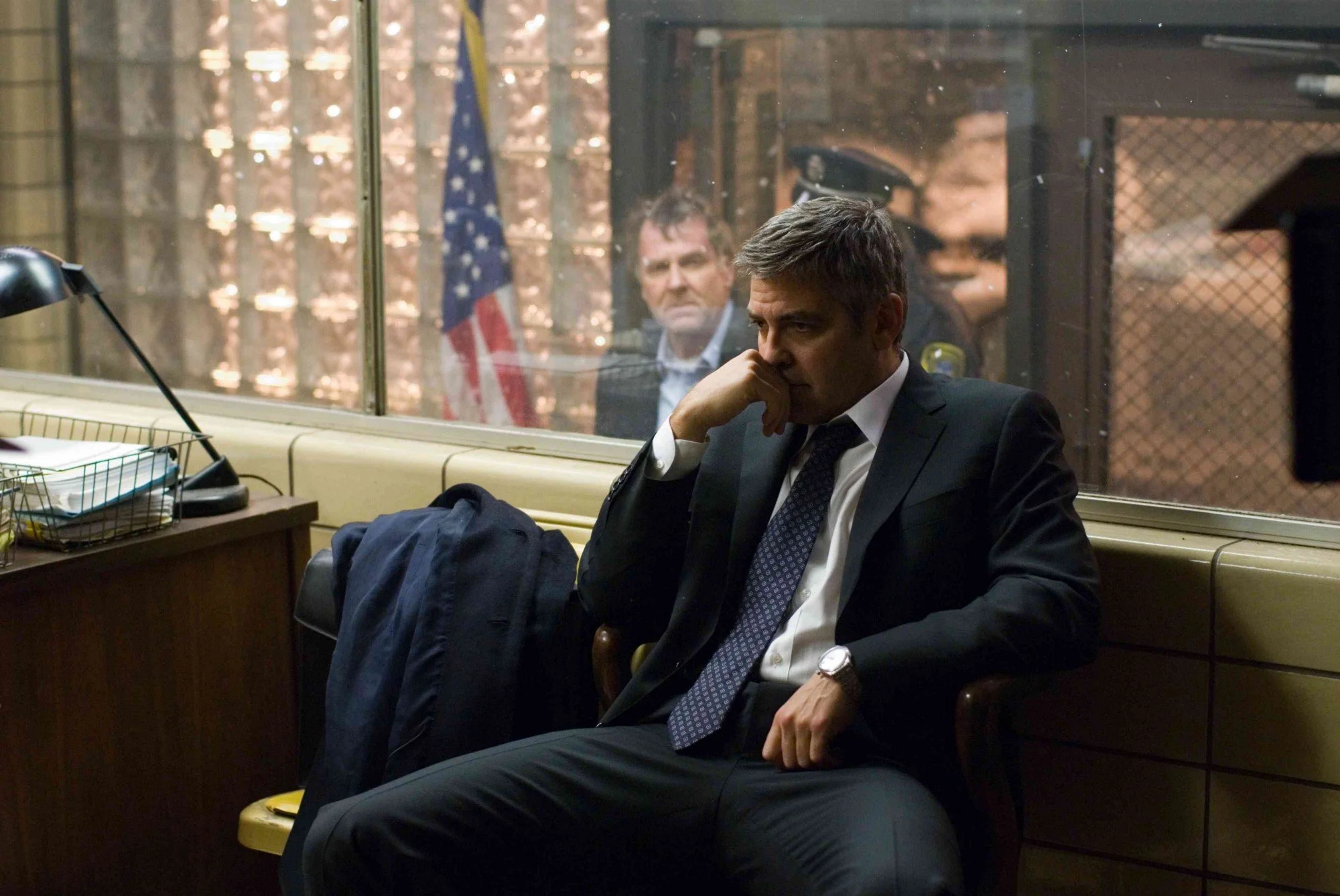
Some movies hit you like a revelation the first time you watch them. Others burrow quietly into you and reveal their brilliance more and more over time. Michael Clayton is both. And yet, somehow, it still feels overlooked. Maybe it’s because it came out in 2007 — which, in my opinion, is the greatest movie year of my lifetime, right up there with 1994. I was born in 1985, so I got to experience both eras firsthand, and honestly, those two years feel like twin peaks of cinema. When a film as quiet and precise as Michael Clayton is released alongside There Will Be Blood, No Country for Old Men, Zodiac, and The Assassination of Jesse James, it’s almost too easy for it to get overshadowed. But for me, it never was.
This is my love letter to Michael Clayton.
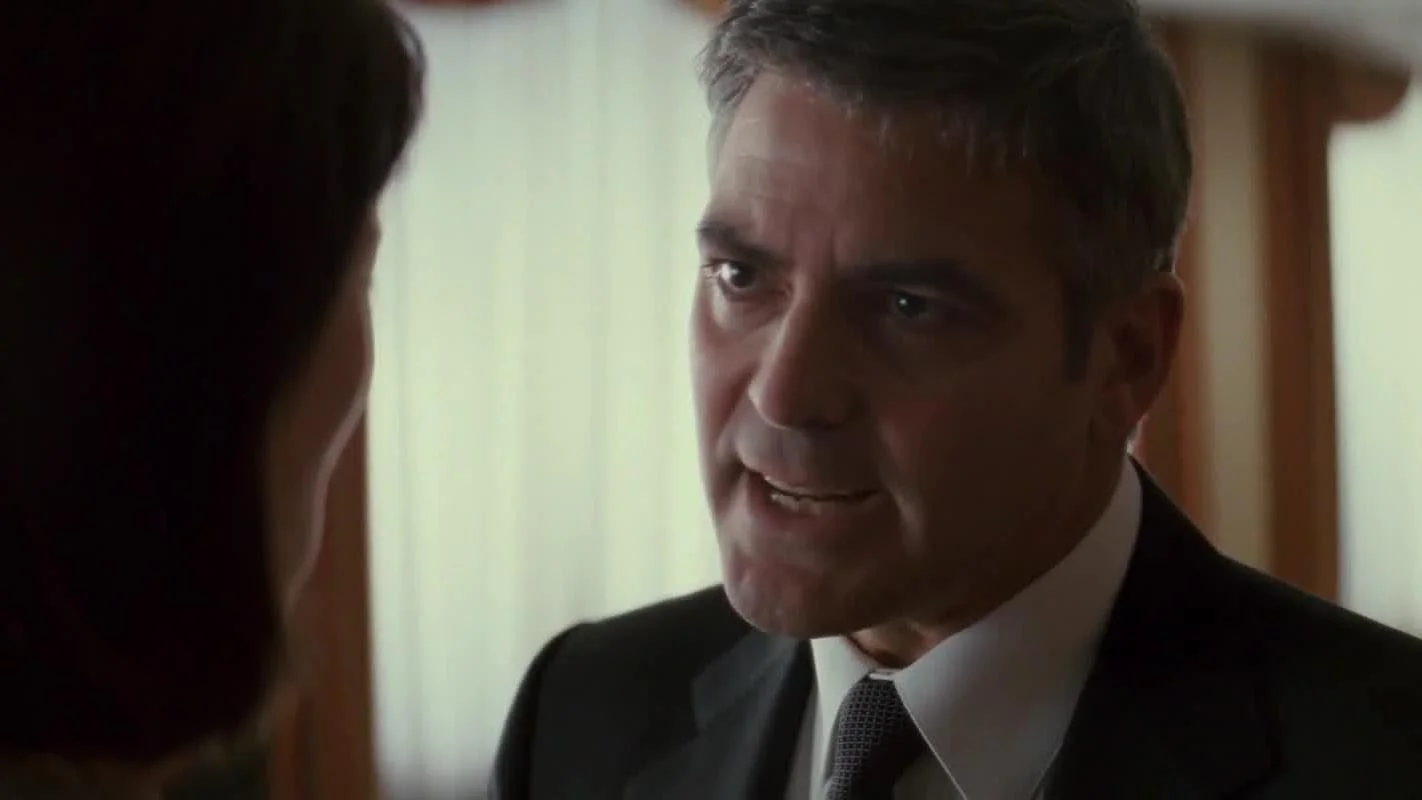
The first thing that grabbed me — and still does every time I revisit it — is George Clooney’s performance. I genuinely think it’s one of the greatest performances ever put on screen. There’s no movie-star polish, no winking at the camera. Clooney plays Michael Clayton like a man who’s been carrying other people’s sins for so long that he’s forgotten what it feels like to stand upright. He’s exhausted, frayed, sleepwalking through a life he didn’t choose. And then, in the film’s final act, he snaps awake with one of the most iconic line deliveries I’ve ever seen: “Do I look like I’m negotiating?!”
It’s not a tough-guy moment — it’s a spiritual one. It’s the sound of someone finally reclaiming their voice after years of silence.
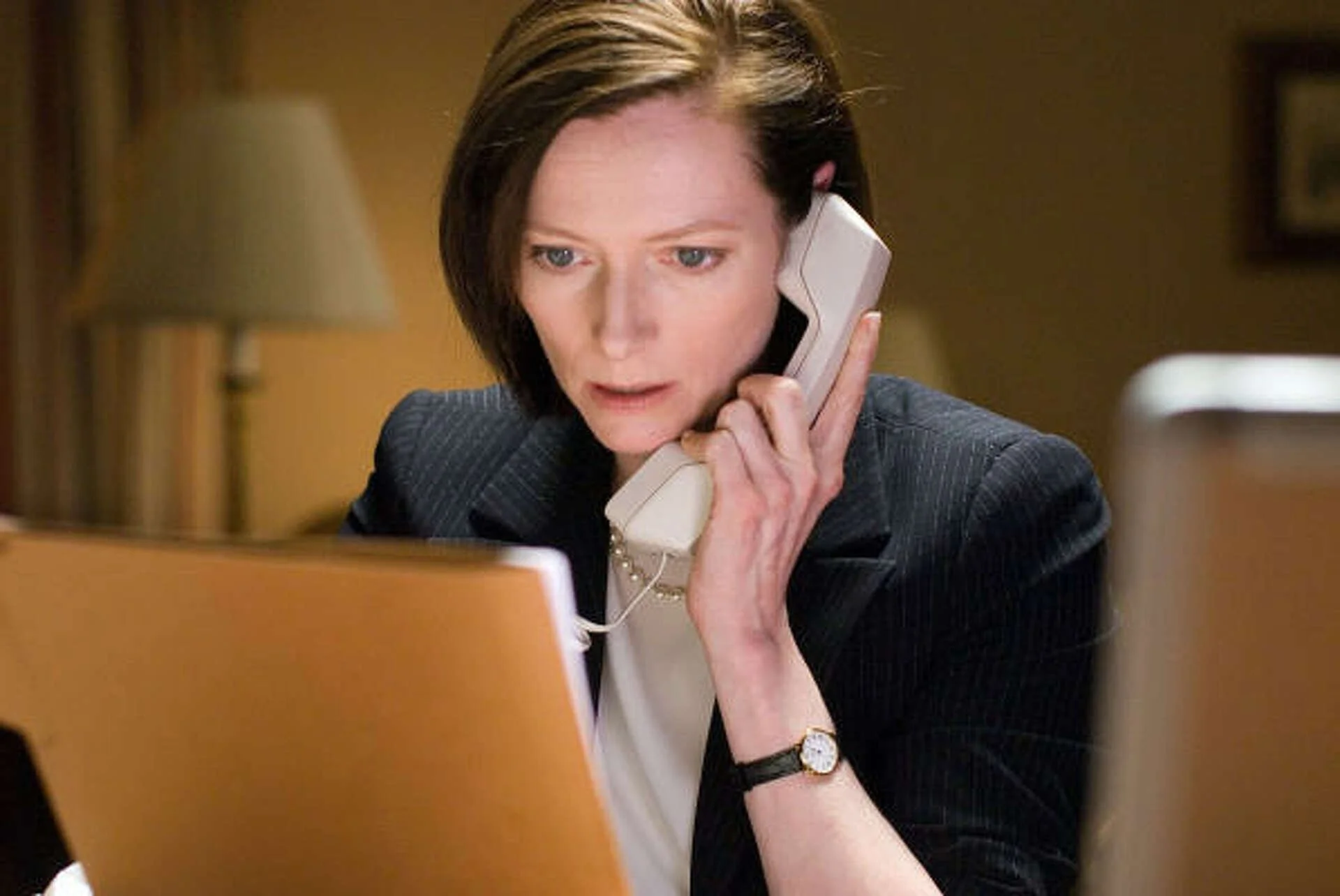
And then there’s Tilda Swinton. She brings this almost supernatural precision to the film — a magic touch that doesn’t glow, but trembles. Her Karen Crowder is all nerves and panic, a person so desperate to maintain control that she sweats through her rehearsed speeches and can barely hold herself together behind closed doors. Swinton plays her with such unnerving accuracy that you can practically feel her fear radiating through the screen. She doesn’t just elevate the movie; she grounds it in a cold, unsettling realism that lingers long after the credits roll.
Tom Wilkinson’s Arthur Edens adds the emotional jolt that sets everything spiraling. His unraveling — or awakening, depending on how you see it — is the spark that forces every character to confront the truth they’ve been sidestepping. What moves me most is that the film never treats any of them, not Michael or Arthur or Karen, like simple heroes or villains. They’re all painfully human, each one doing their best to navigate the pressure cooker of corporate morality.
What I love most about Michael Clayton is how deeply it trusts the audience. It refuses to spoon- feed anything. It doesn’t tell you what to think or how to feel. Instead, it communicates in silences, glances, hesitations, the subtle fractures in people’s armor. The writing is razor-sharp yet humble; the direction is careful and patient. In a world where movies often overexplain everything, Michael Clayton gives you the gift of discovery.
But the moment that cements my love for this film is the ending. When Michael finally stops running — from the job, from the corruption, from himself — it’s not triumphant in the Hollywood sense. It’s quieter. More honest. Watching him sit in the back of that taxi, staring out the window as the world keeps moving around him, feels like witnessing a soul waking up. It’s redemption through stillness, not spectacle.
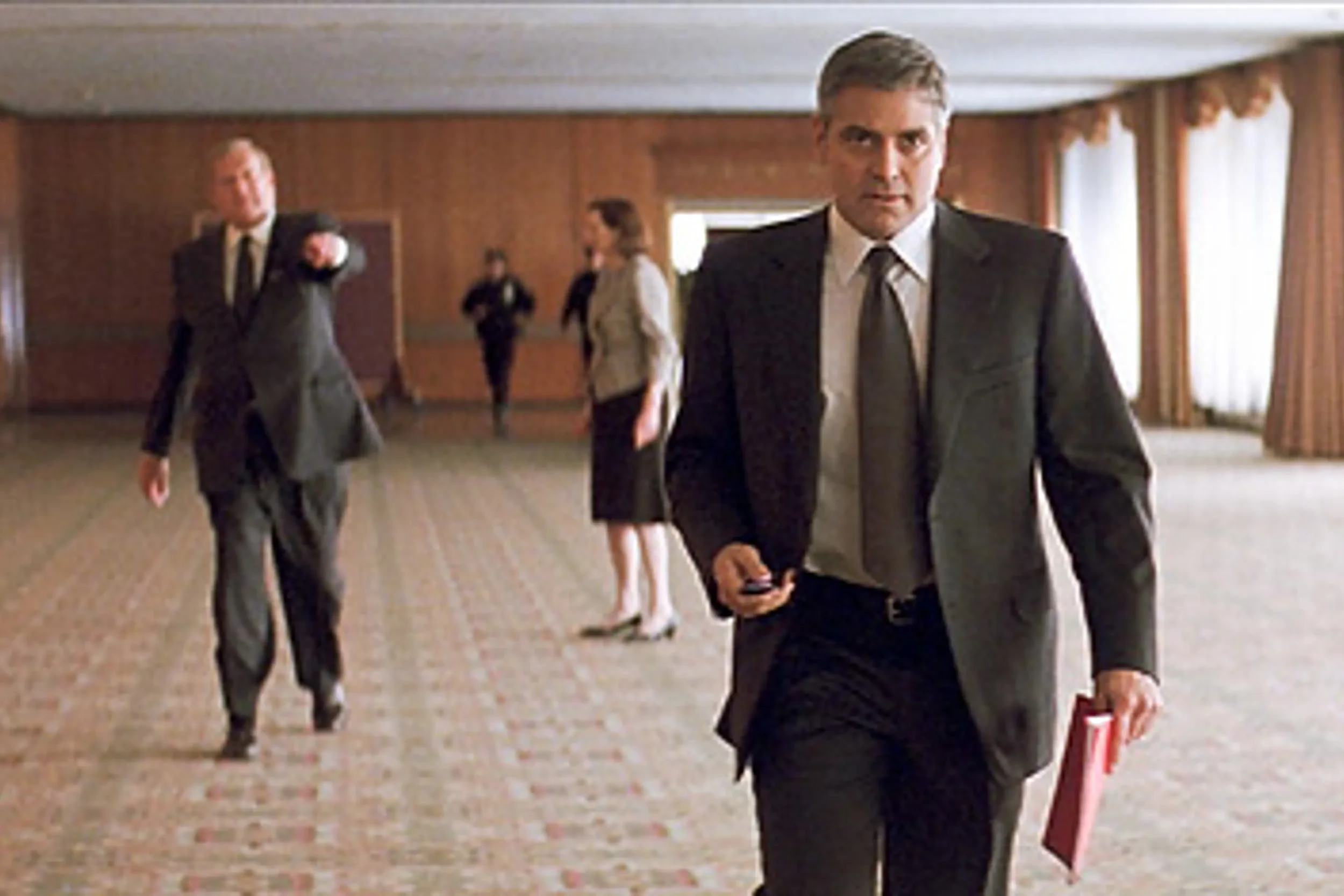
And that’s why Michael Clayton is the movie I return to. Because it understands the quiet desperation of adulthood. It understands the exhaustion of compromise. It understands the tiny, flickering hope of reclaiming your life when you’ve drifted too far from who you meant to be.
Maybe 2007 was too crowded for it to get the spotlight it deserved. But that’s fine.
Some films aren’t meant to be cultural events. Some films are meant to feel personal — like a secret masterpiece you get to hold onto.
For me, Michael Clayton is that secret: sharp, haunting, morally alive, and absolutely unforgettable.